The Meaning Of More
Emotional wealth is the foundation of creating financial wealth. When you understand what matters, money becomes more than something you earn. It becomes a way to expand the life you choose to live.

Money is a tool. What you choose to build with it is where its value begins.
My relationship with money has changed considerably over the years. For a long time, money was simply something I worked with. It was a number on a screen, a balance in an account or a physical amount being counted, transferred and reconciled.
My early career was in banking and finance. I handled substantial amounts of money, both physical cash and digital balances, but its value never really developed into something that motivated me. I understood its function. I understood responsibility. I just hadn't yet discovered what it could mean beyond the transaction.
Looking back, I think my understanding of wealth has been shaped less by the money I've earned and more by the experiences I've collected along the way.
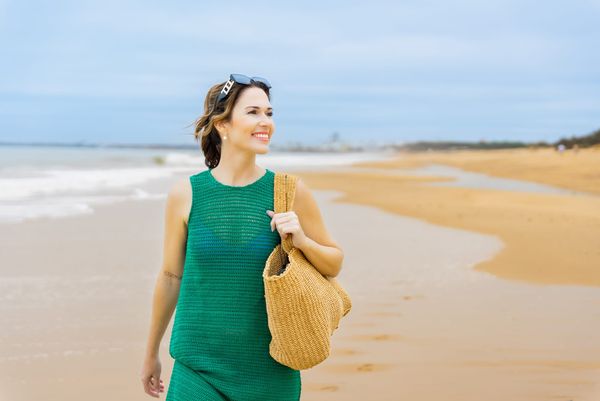
At 21, I decided to pack up my life in Australia and move to Canada for twelve months. It wasn't an impulsive decision. I'd saved, planned and made the financial arrangements to give myself an experience I knew I wanted. I landed a job at Jericho Beach Sailing Club in Vancouver, working in the restaurant, with a summer ahead of me that would become one of the most memorable periods of my life.
After enjoying the Vancouver summer, I caught a bus and flight into Alaska. I wanted to see the landscape, experience the change of seasons and witness a part of the world I'd never seen before. Watching summer give way to snow and seeing the ski lights dance against the winter landscape was absolute magic.
Six months into my travels, my finances were beginning to run thin. The reality of travelling was catching up with me, and another plan was required. A car adventure through the Rocky Mountains eventually led me to a job operating ski lifts at Castle Mountain in Alberta. I purchased a snowboard and the clothing I needed and showed up before the ski season had even begun.
It was a considerable detour from the banking world. I wasn't earning much, but I was collecting experiences that would stay with me long after the money had been spent.
There was something quite liberating about that period. My days were measured in mountains, new friendships, unfamiliar places and the kind of experiences you simply cannot recreate by looking at postcards. I travelled further down the west coast of the United States with friends, made a quick visit back to Canada's west coast and eventually returned home to Australia.
My bank balance wasn't particularly impressive, but my life felt wonderfully full.
I wasn't thinking about wealth in those terms at the time. I was learning that the things that filled my heart and expanded my understanding of the world weren't necessarily the things that cost the most.
A progressive shift
Returning to Australia didn't mean I was ready to settle down. Money was thin, and I wasn't quite finished exploring the life I wanted to experience. I secured a finance position in the Whitsunday Islands, where I spent the next two years before eventually returning to the mainland and the banking world.
My career continued, my financial responsibilities evolved and, like most people, I learned to manage the practicalities of adult life. Rent, car repayments, food, entertainment and the endless collection of things that require money to keep moving.
I understood that earning money meant being able to support myself, make decisions and enjoy a degree of independence. What I hadn't yet understood was how significantly the purpose of earning would change when I decided to start and grow a family.
Having children introduced an entirely different dimension to my relationship with money.
I was no longer earning simply to fund my own experiences. I was earning to create opportunities for the boys. Holidays, education, memories, exposure to different places and the confidence that comes from experiencing more of the world. My thinking shifted from what I wanted to do with my money to what money could make possible for the people I loved now and in the future.
It also introduced something I hadn't previously considered in quite the same way: protection.
Money can provide a home, security and a degree of certainty when life doesn't unfold as expected. It can give your children opportunities, provide access to education and create a financial buffer when circumstances change. It can give you the ability to make a decision based on what is right for your family rather than what your bank account will allow.
That is a very different relationship with money from simply wanting more of it.
Money isn't the measure of your value
Wanting money, or wanting more of it, does not make you greedy. I wrote another piece 'The Measure Of You' that goes deeper into this topic.
I speak to women through my business interview process who tell me they don't want to be greedy. Yet many are also looking for more financial freedom because what they currently have isn't enough to support the life they want to live. I think we sometimes attach unnecessary guilt to the idea of wanting more.
Equally, having little interest in accumulating money for its own sake doesn't automatically make you more enlightened. Choosing not to pursue financial growth is perfectly valid, but it shouldn't become a limitation on the life you're capable of creating either.
There is room to earn more, enjoy more and contribute more. If you find yourself with more than you need, generosity and giving can become part of what that wealth makes possible. We all attach different meanings to financial wealth, often influenced by our upbringing, experiences, relationships and the opportunities we've had.
For some, money represents independence. For others, it represents safety, recognition, freedom or the ability to provide for their family. There are people who find genuine enjoyment in building financial portfolios, investing and watching their assets grow. There are others who are far more motivated by the experiences those assets can fund. Neither approach needs to be justified.
I have come to believe that much of the difficulty people experience with money comes from confusing its financial value with their personal worth.
Your bank balance is not a measure of your value as a person. Equally, financial success doesn't automatically make someone happier, more fulfilled or more emotionally secure if the emotional wealth is absent.
I've also noticed something about people who are genuinely comfortable in their wealth. They rarely feel the need to prove it. They don't necessarily need to display it, announce it or use material possessions to establish their position. Their wealth is simply part of who they are and the choices they have made.
It's a little like being tall. A tall person doesn't need to convince anyone they're tall. They just are. A naturally funny person doesn't need to keep telling everyone they're funny. It comes through in how they show up.
I think there's a similar distinction with wealth. When you're comfortable in what you've created, you don't need the outside world to validate it. The security, choices and freedom it provides are far more meaningful than the appearance of having it.
There's building wealth and performing wealth. One creates options; the other can become an expensive exercise in proving something.
At the end of the day, money does matter. To me, my family and all of our futures.
We live in a world where financial resources influence the choices available to us. Pretending otherwise doesn't create freedom. Understanding how to earn, manage and use money responsibly gives us a greater ability to participate in the life we want to build.
There is no shame in wanting a more comfortable home, greater financial security, more travel or the freedom to spend your time differently. These are perfectly reasonable things to want. The important part is getting clear on your why and allowing it to guide you.
Emotional wealth and financial freedom
My understanding of emotional wealth has developed through years of personal experience, motherhood and entrepreneurship.
For me, emotional wealth is about aligning the different areas of your life with your values and beliefs. It's the relationship you have with your time, your work, your family, your experiences and the decisions you make. Financial wealth can help create the freedom to live that way.
The two are connected, but they aren't interchangeable.
You don't need to have accumulated significant financial wealth before you can begin creating emotional wealth. You can make more intentional decisions about your time, relationships and priorities today, regardless of your current financial position.
Likewise, having money without understanding what matters to you can leave you with resources but very little direction.
I've found that when the two begin working together, something changes. Financial goals become more meaningful because they have a purpose beyond the number. Personal development becomes more practical because you're not simply working on yourself in isolation; you're developing the capacity to make better decisions about the life you're creating.
This is also where entrepreneurship has played an important role in my own journey.
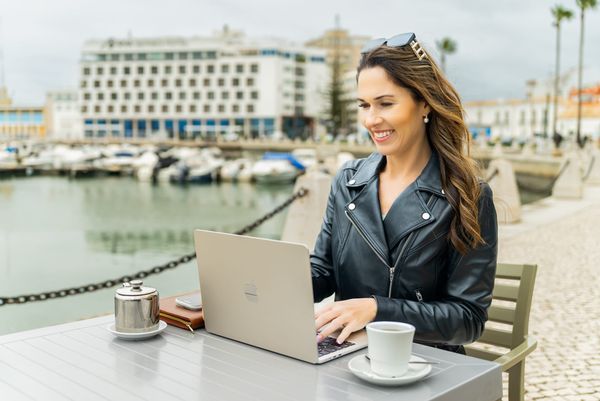
Building an online business wasn't driven by a desire to collect money for the sake of collecting it. It was driven by the desire to create a different set of opportunities for my family. I wanted greater control over where I worked, how I spent my time and the experiences I could make possible for my children.
I wanted to build something that could support our lives without requiring every available hour of mine in exchange for an income.
An online business doesn't automatically deliver those things. It still requires work, learning, consistency, leadership and a willingness to develop new skills. But it can create a different relationship between how you earn and how you choose to live.
Earning creates financial wealth. How you choose to live creates emotional wealth.
For me, the business was initially the vehicle. I was focused on what it could create financially and what that would make possible for my family. As I developed personally and professionally, however, I began to recognise something I hadn't anticipated.
The business itself was contributing to my emotional wealth.
The community, the learning, the leadership and the personal development were becoming just as valuable as the financial results. I was developing relationships, discovering new capabilities and learning more about myself through the process of building something.
One day I realised the business wasn't just the vehicle anymore. It had become part of the life I was trying to create. I was redefining success. The financial rewards remained important, but I no longer saw them as the only measure of what I was building.
Redefining Success
I sometimes think about that 21-year-old version of myself in Canada. I didn't have a particularly impressive income, a property portfolio or a carefully constructed financial plan for the next twenty years.
But I had saved enough to take myself somewhere unfamiliar, make decisions independently and experience a world beyond the one I knew. I didn't have much money, but I had created an opportunity that enriched my life in ways I still appreciate today.
Now, with children, business and a different understanding of responsibility, my financial goals look quite different. My definition of wealth has weathered a few seasons.
Money should serve the life you're building, rather than becoming the entire reason you're building it.
The most valuable financial decision we can make is to become clear about what we actually want our money to do for us. Not what society suggests we should want. Not what looks impressive from the outside. Not what someone else's version of success tells us is important.
Our own definition.
Emotional wealth gives us the clarity to understand what matters. Financial wealth gives us more opportunities to bring those things into our lives. When the two begin working together, money becomes something far more meaningful than a balance on a screen.
It becomes a way to create, protect and experience a life that feels as good as it looks.
xx
If you enjoy thoughtful conversations about emotional wealth, personal development, online business and designing a life with greater intention, you can subscribe to The Postcard Life for more pieces delivered straight to your inbox.